
Traditional Japanese Sushi Making for Beginners
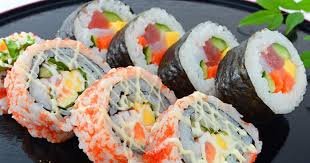
Sushi is a delicate art that emphasizes the freshness of ingredients and the precision of the chef. While it takes years to master, beginners can create delicious rolls at home with a bit of practice and the right tools.
The Foundation: Sushi Rice
Most people think sushi is about raw fish, but the word actually refers to the vinegared rice. Use short-grain Japanese rice, which is sticky enough to hold its shape. After washing the rice until the water runs clear, cook it and then gently fold in a mixture of rice vinegar, sugar, and salt while the rice is still warm. Use a wooden bowl (hangiri) if possible to absorb excess moisture.
Selecting the Ingredients
If you are using raw fish, ensure it is "sushi-grade" from a reputable source. Salmon and tuna are excellent starting points. For those wary of raw fish, ingredients like cucumber, avocado, cooked shrimp, or imitation crab are perfect for making California rolls or vegetable rolls. Slice everything into uniform, thin strips to make rolling easier.
Rolling the Sushi (Maki)
Place a sheet of Nori (seaweed) on a bamboo rolling mat. Spread a thin layer of rice over the Nori, leaving a small gap at the top. Place your fillings in the center. Using the mat, roll the sushi tightly, applying even pressure. Once rolled, use a very sharp, damp knife to slice the roll into bite-sized pieces. The moisture on the knife prevents the rice from sticking.
Serve your sushi with pickled ginger to cleanse the palate, wasabi for a kick of heat, and high-quality soy sauce for dipping. Remember, sushi is about harmony and aesthetics, so take your time with the presentation.