Italian Tiramisu The Ultimate Pick-Me-Up
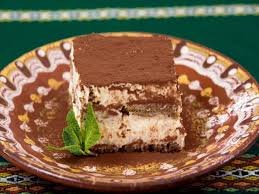
Tiramisu literally translates to "pick me up," a name it earns from the combination of strong espresso and rich cocoa. This no-bake Italian dessert is a masterclass in contrasting flavors and textures.
The Core Components
The soul of tiramisu lies in three layers: the biscuits, the coffee, and the cream. Authentic recipes use Savoiardi (ladyfingers)—light, airy biscuits that act like sponges. These are dipped quickly into high-quality, cooled espresso. Don't soak them too long, or the dessert will become a watery mess. Many traditionalists add a splash of Marsala wine or dark rum to the coffee for an extra layer of complexity.
The Mascarpone Cream
The cream is a delicate mixture of Mascarpone cheese, sugar, and eggs. The traditional method involves whisking egg yolks with sugar over a double boiler (zabaglione) and then folding in the Mascarpone. To make it light and airy, whipped egg whites or heavy cream are folded in at the end. The result should be a thick, velvety custard that isn't overly sweet, allowing the coffee flavor to shine.
Assembly and Resting
Tiramisu is assembled in layers: biscuits, cream, biscuits, cream. The final touch is a generous dusting of high-quality cocoa powder. Crucially, tiramisu is much better the next day. It needs at least 4 to 8 hours in the fridge for the ladyfingers to soften into a cake-like consistency and for the flavors of the coffee and cream to meld together.
Tiramisu is the perfect ending to a heavy Italian meal. It is light yet indulgent, providing a caffeine-fueled finish that is truly "uplifting." It remains one of the most beloved desserts in the world for a reason.