Turkish Kebabs and the Art of Baklava
Turkish cuisine is a bridge between Europe, Asia, and the Middle East. It is a rich tapestry of flavors, best represented by the savory depth of the Kebab and the crystalline sweetness of Baklava.
The Many Faces of the Kebab
When people think of kebabs, they often think of the "Döner" (vertical rotisserie), but Turkey has dozens of varieties. The "Adana Kebab" is made of hand-minced lamb mixed with tail fat and red bell peppers, grilled on wide flat skewers. The "Iskender Kebab" is thin slices of Döner served over pieces of pita bread, topped with a rich tomato sauce and sizzling hot butter. The secret is the quality of the meat and the use of sumac and pul biber (Aleppo pepper) for seasoning.
Baklava: 40 Layers of Perfection
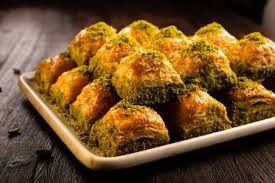
Baklava is the crown jewel of Turkish desserts. It consists of layers of phyllo dough so thin you can read a newspaper through them. Traditionally, 40 layers are stacked, filled with crushed pistachios from Gaziantep or walnuts, and drenched in a hot sugar syrup (not honey, as is common in Greece). A perfect piece of baklava should "shatter" when you bite into it, releasing the aroma of clarified butter.
The Culture of Tea and Coffee
Both kebabs and baklava are part of a larger social ritual. Turkish tea (çay), served in tulip-shaped glasses, is the constant companion to any meal. Turkish coffee, thick and dark, is reserved for after the dessert. This combination of savory, sweet, and the bitterness of the coffee creates a perfectly rounded culinary experience that has been refined over centuries of Ottoman rule.
Turkish food is about hospitality. Whether you are eating at a roadside grill or a fine dining establishment in Istanbul, the emphasis is always on sharing the best of what the land has to offer.