The Science of Sourdough A Beginner’s Guide
Sourdough bread is a return to the ancient way of baking. It uses no commercial yeast, relying instead on a "starter"—a living culture of wild yeast and beneficial bacteria that can be kept alive for decades.
The Starter: Flour and Water Magic
To begin, you simply mix equal parts flour and water and let it sit. Over several days, wild yeast from the air and the flour itself begin to colonize the mixture. You must "feed" it daily with more flour and water. Eventually, the mixture becomes bubbly and active, smelling slightly sour but pleasant. This starter is what will make your bread rise and give it its signature tangy flavor and chewy texture.
The Long Fermentation
Unlike commercial bread that rises in an hour, sourdough takes time—often 12 to 24 hours. This long fermentation process is where the health benefits come in. The bacteria (lactobacilli) break down the gluten and phytic acid in the flour, making the bread much easier to digest and allowing your body to absorb more nutrients. This is why many people with mild gluten sensitivities find they can eat sourdough without issue.
Baking in a Dutch Oven
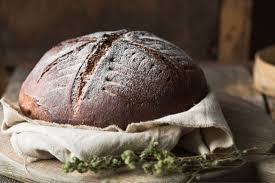
To get that professional "artisan" look with a crispy, blistered crust, most home bakers use a Dutch oven. The heavy lid traps the steam released by the bread during the first half of the bake, which keeps the crust soft and allows the bread to expand fully (the "oven spring"). Removing the lid for the final 15 minutes allows the crust to caramelize into a deep, mahogany brown.
Sourdough baking is a meditative hobby that rewards patience. There is nothing quite like the sound of a freshly baked loaf "singing" (crackling) as it cools on the rack. It is the ultimate expression of the baker's craft.