The Art and Science of the New York Cheesecake
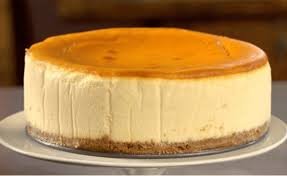
The New York Cheesecake is the heavyweight champion of the dessert world. Unlike its lighter, airier cousins, the NYC version is dense, rich, and incredibly smooth, with a signature tang that comes from high-quality cream cheese.
The Foundation: The Graham Cracker Crust
A great cheesecake starts from the bottom. The crust should be thick and slightly salty to balance the sweetness of the filling. Use crushed graham crackers mixed with melted butter and a pinch of sugar. Press the mixture firmly into the bottom and up the sides of a springform pan. Pre-baking the crust for 10 minutes ensures it stays crunchy and doesn't get soggy once the heavy filling is added.
Achieving the Perfect Texture
The secret to a crack-free cheesecake is temperature and air. All your ingredients—cream cheese, eggs, and sour cream—must be at room temperature. This allows them to incorporate smoothly without over-beating. Over-beating the batter introduces too much air, which causes the cheesecake to rise in the oven and then collapse and crack as it cools. Always bake your cheesecake in a water bath (bain-marie) to ensure gentle, even heat.
The Cooling Process
Patience is the most important ingredient. Once the cheesecake is finished baking (it should still have a slight jiggle in the center), turn off the oven and leave the door slightly ajar. Letting it cool slowly inside the oven for an hour prevents the sudden temperature change that leads to cracking. After it reaches room temperature, it MUST be chilled in the refrigerator for at least 6 hours, or preferably overnight, to set its final, luxurious texture.
Serve as is, or with a simple strawberry compote. A New York Cheesecake is a labor of love, but the first bite of that velvety, creamy filling makes every minute of waiting worth it.