
Kyoto to Osaka Travel Guide – Exploring Japan’s Third Largest City
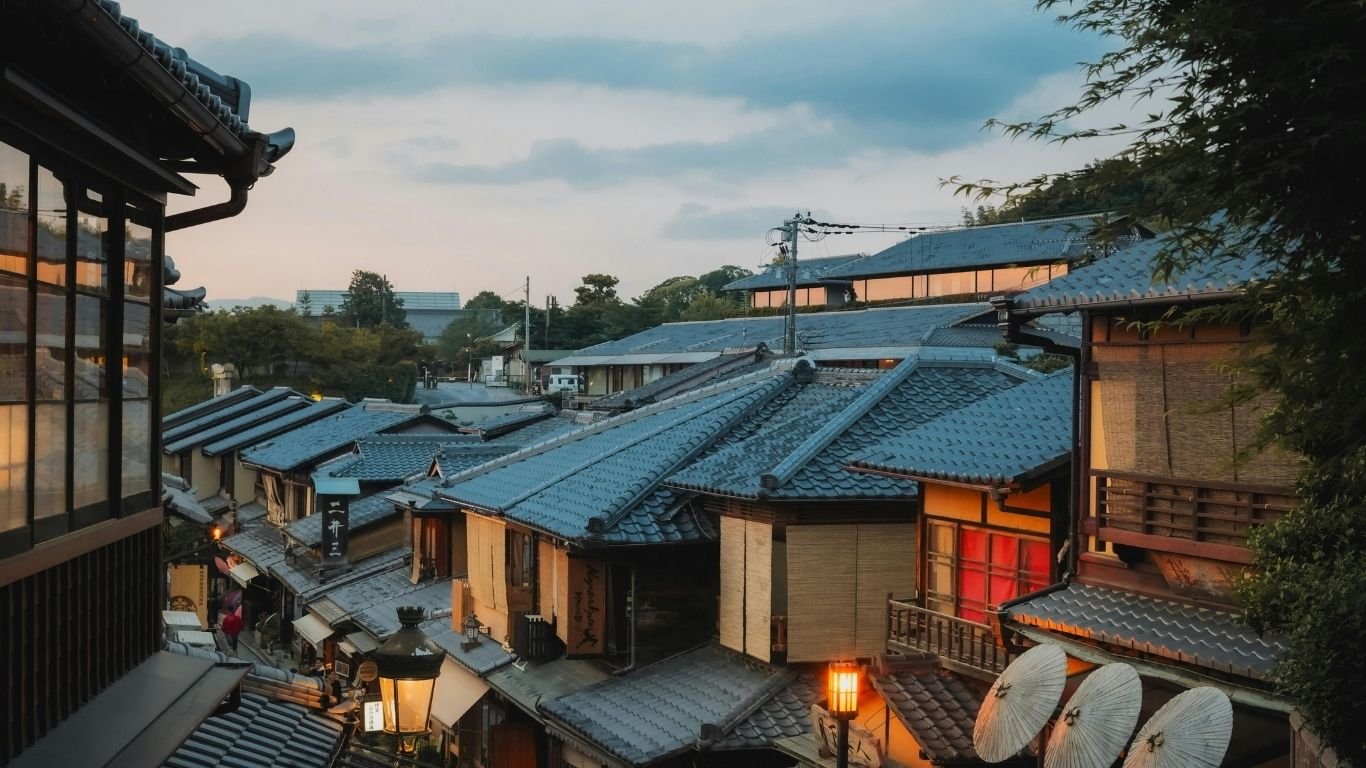
Japan is a country that surprises travelers at every step. From peaceful temples and traditional streets to futuristic trains and crowded stations, every city has its own personality. During my journey in Japan, I had already spent two unforgettable weeks in Tokyo and another relaxing week in Kyoto. But now, it was finally time to travel to another famous Japanese city — Osaka.
This travel experience from Kyoto to Osaka turned out to be much more exciting than I expected. Even though the weather was rainy and cold, the journey became one of the most memorable parts of my Japan adventure.
A Rainy Morning in Kyoto 🌸
The day started with cloudy skies and a light drizzle. The cold breeze made the atmosphere feel peaceful and refreshing at the same time. Kyoto looked absolutely beautiful in this weather.
As I stepped outside, the first thing that caught my attention was the Sakura trees. Cherry blossom season was in full swing, and the streets of Japan were glowing with soft pink colors. It felt like walking inside a dream.
I decided to walk toward Kyoto Station instead of taking a nearby train. The station was around 1.5 to 2 kilometers away, and walking through Kyoto’s streets felt like the perfect way to enjoy the city one last time.
On the way, I passed the famous Higashi Hongan-ji temple. The peaceful atmosphere around the temple was completely different from the fast-paced lifestyle I had experienced earlier in Tokyo.
Kyoto vs Tokyo – Two Different Worlds 🏯
Tokyo and Kyoto feel like two completely different versions of Japan.
Tokyo is modern, crowded, fast, and energetic. Everything moves quickly there. People rush everywhere, trains are packed, and giant skyscrapers dominate the skyline. It truly feels like one of the biggest cities in the world.
Kyoto, however, feels calm and traditional. The city preserves the beauty of ancient Japan. Temples, wooden houses, tea shops, and peaceful streets create an atmosphere that feels timeless.
One of the best things about Kyoto is how modernity and tradition exist together. While walking toward the station, I could see beautiful Sakura trees beside ancient temples, while the famous Kyoto Tower stood proudly in the background. It perfectly represented the balance between history and modern life in Japan.
I also noticed several shops selling Matcha products. Matcha tea originated in Japan and has now become popular all over the world. A day earlier, I had attended a traditional Japanese tea ceremony where I learned how Matcha is prepared. It was a peaceful and cultural experience that made me appreciate Japanese traditions even more.
Entering Kyoto Station 🚉
Soon, I finally reached Kyoto Station.
Japanese train stations are massive. Even stations in medium-sized cities look huge compared to stations in many other countries. Kyoto Station was full of people, shops, signs, platforms, and train lines.
One interesting thing I noticed was the pedestrian crossing outside the station. Instead of allowing traffic from one side only, all pedestrian lights turned green at the same time. People could walk straight, diagonally, or in any direction while cars stopped from all sides. It was extremely organized and efficient.
Inside the station, I quickly realized why Japan is famous for having one of the best transportation systems in the world. There were trains going everywhere, every few minutes.
Understanding Japan’s Train System 🚄
At first, Japanese train stations can feel confusing. There are many companies, platforms, routes, and train types. But once you understand the system, it becomes incredibly convenient.
I didn’t even have a train ticket or reservation. Honestly, I didn’t even know the exact train timing. But in Japan, that is usually not a problem because trains arrive constantly.
The famous Shinkansen bullet trains run frequently between major cities. These trains are known worldwide for their speed, cleanliness, and punctuality.
Osaka is only around 55 to 60 kilometers away from Kyoto, so reaching there is very easy. In Japan, even longer distances feel short because the transportation system is so efficient.
I followed the blue signs pointing toward the Shinkansen platforms. Everything inside the station was clearly marked, making navigation easier for travelers.
The Magic of the Suica Card 💳
One of the smartest things to buy in Japan is a Suica card. I purchased mine at the airport when I first arrived in Japan.
The card works almost everywhere — trains, metros, buses, vending machines, and even convenience stores. Instead of buying tickets every time, you simply tap the card at the gate and walk through.
I tapped my Suica card confidently and passed through the gate successfully.
“Let’s go, Suica!” 😄
However, a few minutes later, I accidentally tried exiting through the wrong gate, and the machine rejected my card. For a moment, I got confused, but then I realized I was attempting to leave the station instead of entering the platform area.
That small confusion actually made the experience more fun and memorable.
Local Train or Rapid Train? 🚆
At the platform, I discovered multiple train options.
A local train was arriving within two minutes, while a special rapid train was arriving shortly after. The rapid train could reach Osaka in around 15 minutes, while the local train would take about 30 to 35 minutes.
Even the local train sounded incredibly fast for covering nearly 60 kilometers.
I considered taking the rapid train, but I wasn’t sure whether I needed an extra ticket or reservation. To avoid any confusion, I decided to take the local train instead.
Honestly, even Japan’s local trains feel faster and smoother than many express trains in other countries.
Beautiful Views During the Journey 🌄
As the train left Kyoto behind, the scenery outside became stunning.
I saw mountains, small towns, rivers, villages, and beautiful rainy landscapes passing by the windows. The cloudy weather actually made the journey feel more cinematic and relaxing.
At one point, an announcement informed passengers that our local train would continue as a rapid train after the next station. That surprised me because the journey suddenly became even faster.
The comfort, speed, and cleanliness of Japanese trains are truly impressive.
Arriving in Osaka 🏙️
Finally, I arrived at Osaka Station.
The moment I stepped onto the escalator, I noticed something unusual.
In Tokyo and Kyoto, people stand on the left side of escalators while allowing others to pass from the right side. But in Osaka, everything was reversed. Here, people stood on the right side and passed from the left.
At first, I thought it was happening only on one escalator. But after observing several more escalators, I realized that Osaka truly follows the opposite system.
It may seem like a small detail, but these cultural differences make traveling so interesting.
Affordable and Comfortable Travel 💴
The train journey from Kyoto to Osaka cost only 580 Yen, which is surprisingly affordable considering the comfort and distance covered.
For around the price of a simple meal, I traveled nearly 60 kilometers through one of the world’s most advanced railway systems.
The journey was smooth, scenic, comfortable, and incredibly efficient.
Osaka’s Busy Atmosphere 🌆
Compared to Kyoto, Osaka felt much more energetic and crowded.
The station was packed with people moving in every direction. Japan is home to some of the busiest train stations in the world, including Shinjuku Station, which I had visited earlier during my Tokyo trip.
I needed to reach my hostel, which was around 3.5 kilometers away. Initially, I planned to walk, but the rain became much heavier.
Carrying bags in heavy rain for nearly an hour did not sound like a smart idea. So, I decided to use Osaka’s subway system instead.
Exploring Shinsaibashi 🌧️🛍️
After taking the subway, I finally arrived at Shinsaibashi.
The station itself looked stylish and modern. Everything felt clean, aesthetic, and organized.
As I exited the station, cool wind and rain welcomed me to the streets of Osaka.
Even though I didn’t have an umbrella, I chose to enjoy the moment instead of complaining about the weather. Traveling becomes more enjoyable when you accept every situation positively.
Shinsaibashi is famous for shopping, fashion, restaurants, and nightlife. The area was full of tourists, bright lights, and busy streets.
Despite the rain, Osaka immediately gave me exciting energy.
.png)
Discussions (0)