
How Italy’s Most Sacred Pasta Broke Every Rule Before Becoming Tradition
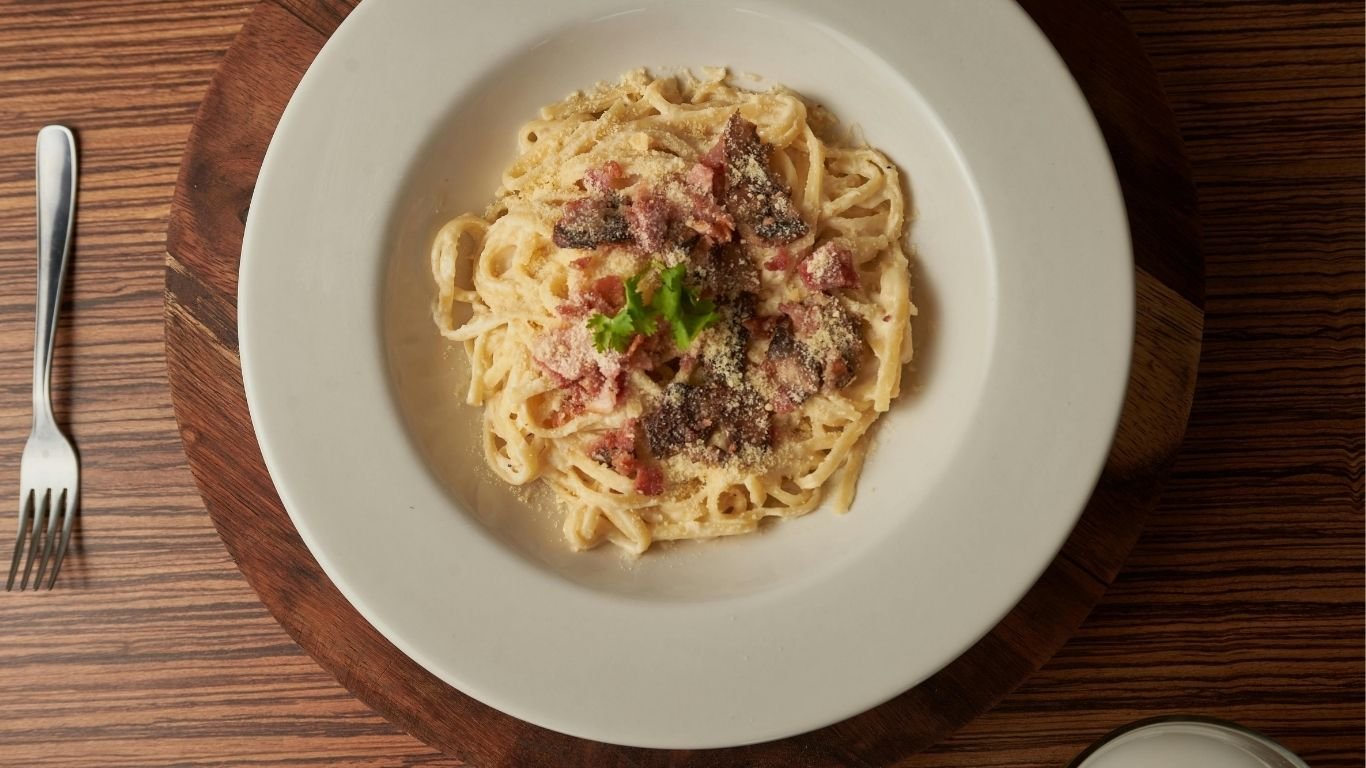
Carbonara is one of the most famous pasta dishes in the world. Today, people argue fiercely about how it should be made. Some say real carbonara must only contain guanciale, pecorino romano, egg yolks, and black pepper. Others insist that adding cream, garlic, or onions is a culinary crime.
But here is the surprising truth: the earliest carbonara recipes broke almost every modern rule.
Before carbonara became a protected symbol of Italian cuisine, it was a living, changing recipe. Different cooks used different cheeses, meats, and techniques. Some versions included butter. Others used garlic, onions, wine, or even cream.
The carbonara we know today was not born perfect and untouchable. It evolved over decades through experimentation, regional influences, and changing tastes.
Let’s travel through the fascinating history of carbonara and discover how one humble pasta dish became legendary. 🇮🇹
The Origins of Carbonara Before World War II
1939: The Name Appears Before the Recipe
The earliest known mention of “spaghetti alla carbonara” dates back to August 23, 1939.
In a Catholic newspaper published in Batavia, an article described a warm Roman evening in Piazza Santa Maria in Trastevere. Two trattorias faced each other across the square. One was famous for risotto with prawns, while the other was known for spaghetti alla carbonara.
The article described it poetically as:
“Little strings, as the coal burner’s wife makes them.”
This proves that carbonara already existed before World War II. However, there was one major problem — nobody explained how it was actually cooked.
There was no ingredient list, no cooking instructions, and no exact recipe. The name existed, but the details were still a mystery.
1952: The First Carbonara Recipe Ever Recorded
A French Newspaper Preserves the First Clue
The first trace of an actual carbonara recipe appeared in France in 1952. The recipe was connected to famous Italian actor Aldo Fabrizi, who was described as one of Italy’s greatest lovers of food.
Unfortunately, the recipe was extremely short. It had no measurements and very little explanation. It was more like a rough sketch than a proper recipe.
Still, it marked the beginning of carbonara entering written culinary history.
Chicago Creates the First Complete Carbonara Recipe 🇺🇸
1952: Carbonara Travels to America
The first fully detailed carbonara recipe appeared not in Rome, but in Chicago.
In December 1952, Patricia Bronté published a recipe in Vittles and Vice, a book exploring Chicago’s restaurant culture.
This version of carbonara looked very different from today’s “traditional” recipe.
Ingredients Included:
- Tagliarini pasta
- Pancetta-like cured pork
- Whole eggs
- Parmesan cheese
Notice what was missing:
- No guanciale
- No pecorino romano
- No pasta water
- No heavy black pepper
The pork was fried separately, and even the rendered fat was drained away. The eggs and parmesan were lightly beaten before everything was tossed together over heat.
Even though it sounds unusual by modern standards, the dish was already recognizable as carbonara.
The combination of pasta, pork, eggs, and cheese had already formed the heart of the recipe.
The Mystery Behind the Name “Carbonara”
Food historians still debate where the name “carbonara” comes from.
Some believe it refers to coal workers, known as carbonai in Italy. Others think it may be linked to secret societies or even the heavy use of black pepper resembling coal dust.
Interestingly, the Chicago recipe may support the coal miner theory.
One of the restaurant owners connected to the recipe came from a family of coal miners from Tuscany. This detail suggests that the dish may truly have roots in meals prepared by coal workers’ families.
While the exact origin remains uncertain, the mystery only adds to carbonara’s charm.
1954: Italy Publishes Its First Carbonara Recipe
Garlic and Swiss Cheese Shock Everyone 😲
By 1954, carbonara had spread rapidly across Europe and America.
That same year, the famous Italian magazine La Cucina Italiana published the first verified carbonara recipe in Italy itself.
And it shocked modern food purists.
This Recipe Included:
- Spaghetti
- Pancetta
- Garlic
- Whole eggs
- Gruyère cheese
- Black pepper
Yes — garlic and Swiss cheese.
The garlic was lightly cooked in the pan before being removed, giving the dish a subtle roasted flavor. Gruyère added a creamy and nutty richness completely different from pecorino romano.
Surprisingly, the dish still worked beautifully.
It was rich, savory, peppery, and comforting.
This proves an important point: early Italian cooks were not obsessed with strict carbonara rules.
1955: Carbonara Starts Looking More Familiar
In 1955, carbonara appeared in an Italian cookbook called La Signora in Cucina.
This version moved closer to what modern audiences recognize today.
Ingredients Included:
- Eggs
- Pancetta
- Parmigiano cheese
- Black pepper
The recipe was simpler and more refined. The unnecessary additions started disappearing, and carbonara slowly began forming its modern identity.
Still, there was no universal standard yet.
Italy was still experimenting.
1960: Guanciale Finally Arrives — Along With Cream 🍶
One of the biggest turning points in carbonara history came in 1960.
Italian chef Luigi Carnacina published a professional culinary manual called La Grande Cucina.
This was the first major recipe to use guanciale, the cured pork cheek now considered essential in authentic carbonara.
But there was a twist.
The recipe also used cream.
Yes, the same ingredient modern carbonara defenders often reject completely.
Carnacina’s Carbonara Included:
- Guanciale
- Eggs
- Cheese
- Black pepper
- Cream
- Butter
The cream softened the sharpness of the cheese and created a richer texture. Butter added another layer of flavor.
At the time, nobody considered this controversial.
Carbonara was still evolving naturally.
1964: Onion, Wine, and Parsley Enter the Story
In 1964, famous Italian food writer Ada Boni introduced another fascinating variation.
Her recipe included:
- Pancetta
- Onion
- Butter
- Wine
- Eggs
- Cheese
- Parsley
The onions added sweetness. The wine brought acidity. The parsley gave freshness and balance.
Instead of destroying the dish, these ingredients created a more layered and elegant flavor profile.
This version demonstrates how flexible carbonara remained during the 1960s.
There was no official rulebook yet.
1966: The Modern Carbonara Finally Appears
By 1966, the version closest to today’s carbonara finally emerged.
Italian writers Carlo Santi and Rosino Brera published a recipe featuring:
- Guanciale
- Egg yolks
- Pecorino romano
- Black pepper
This was the carbonara shape that modern audiences would eventually recognize as “traditional.”
However, even this version still included butter.
The guanciale cooked in butter before being mixed with pasta. Raw egg yolks were then stirred into each serving along with generous black pepper and pecorino cheese.
The flavor was sharper, saltier, and richer than earlier versions.
At last, carbonara had reached its modern form.
Carbonara Was Never a Fixed Recipe
Even after the 1960s, cooks continued experimenting with carbonara.
Some chefs used white pepper. Others added nutmeg. Famous cookbook writer Marcella Hazan still included parsley and garlic in her carbonara recipes during the early 1990s.
For decades, multiple versions existed side by side.
That is why food historians often describe carbonara as a “living recipe.”
It constantly changed depending on region, chef, ingredients, and personal taste.
When Carbonara Became Sacred ⚡
So how did carbonara transform from a flexible dish into a strict culinary tradition?
The answer lies in modern food culture.
As Italian cuisine gained global popularity, people began searching for authenticity. Chefs, food writers, and online communities slowly created a standardized version of carbonara.
Eventually, the “official” formula became:
- Guanciale
- Egg yolks
- Pecorino romano
- Black pepper
- Pasta
Nothing else.
Over time, this version became protected almost like a cultural treasure.
Today, adding cream or garlic can start heated internet debates within seconds.
But history tells a different story.
The earliest carbonaras were creative, diverse, and experimental.
The Real Lesson Behind Carbonara’s History
The history of carbonara teaches us something bigger than pasta.
Traditional food is rarely born perfect.
Recipes evolve through families, restaurants, migrations, wars, and changing tastes. What people now call “authentic” is often the result of decades of adaptation.
Carbonara was never a frozen recipe from the beginning.
It was shaped slowly over time by cooks trying new ideas and using the ingredients available to them.
That does not make modern carbonara less special. In fact, it makes the dish even more fascinating.
Every plate carries pieces of history within it.
.png)
Discussions (0)