
Understanding Diabetes and Blood Sugar Tests: A Complete Guide to Healthy Living
Introduction
Diabetes has become one of the fastest-growing health problems in the world, especially in countries like India. Millions of people are living with diabetes today, while many others are unknowingly in the prediabetes stage. What is more concerning is that diabetes is no longer limited to older adults. It is now affecting young people, teenagers, and even children due to unhealthy lifestyle habits.
Modern lifestyles filled with junk food, sugary drinks, stress, poor sleep, and lack of physical activity are increasing the risk of diabetes every year. Because of this, understanding blood sugar tests has become extremely important for everyone.
The good news is that early detection can help prevent serious health complications. Simple blood sugar tests can reveal whether your body is handling sugar properly or if you are moving toward diabetes.
In this article, we will explain everything you need to know about blood sugar, diabetes, prediabetes, and the three most important sugar tests in simple and easy language.
What Is Blood Glucose? 🩸
Blood glucose, commonly called blood sugar, is the main source of energy for our body. The food we eat is converted into glucose, which provides fuel to our muscles, brain, and organs.
A hormone called insulin helps move glucose from the blood into the cells where it is used for energy. However, when the body cannot produce enough insulin or cannot use it properly, sugar starts building up in the bloodstream. This condition is called diabetes.
High blood sugar levels over a long period can slowly damage important organs such as:
- Eyes 👁️
- Kidneys
- Heart ❤️
- Nerves
- Blood vessels
This is why regular blood sugar testing is very important.
Why Diabetes Is Increasing in Young People
In the past, diabetes was mostly seen in older adults. Today, it is becoming common among younger people because of unhealthy habits and modern lifestyles.
Some major reasons include:
1. Lack of Physical Activity
Many people spend long hours sitting at desks, using mobile phones, or watching television. Less physical activity means the body burns fewer calories, increasing sugar levels.
2. Unhealthy Eating Habits
Fast food, soft drinks, sugary snacks, and processed foods contain high amounts of calories and sugar. Regular consumption increases the risk of obesity and diabetes.
3. Stress and Poor Sleep
Stress hormones and inadequate sleep can affect insulin function, making blood sugar harder to control.
4. Weight Gain
Excess body fat, especially around the abdomen, increases insulin resistance and raises diabetes risk.
Because of these factors, more young adults are being diagnosed with diabetes than ever before.
Why Blood Sugar Testing Matters 📋
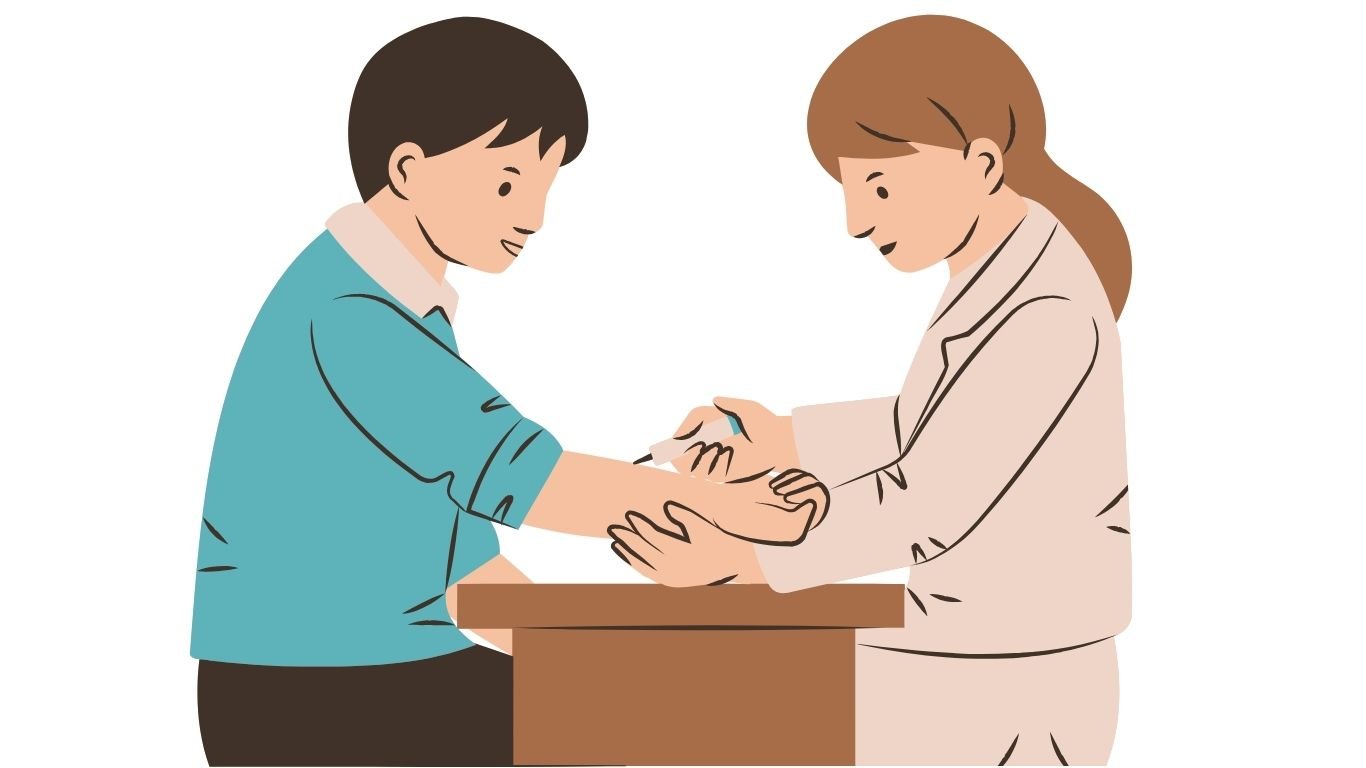
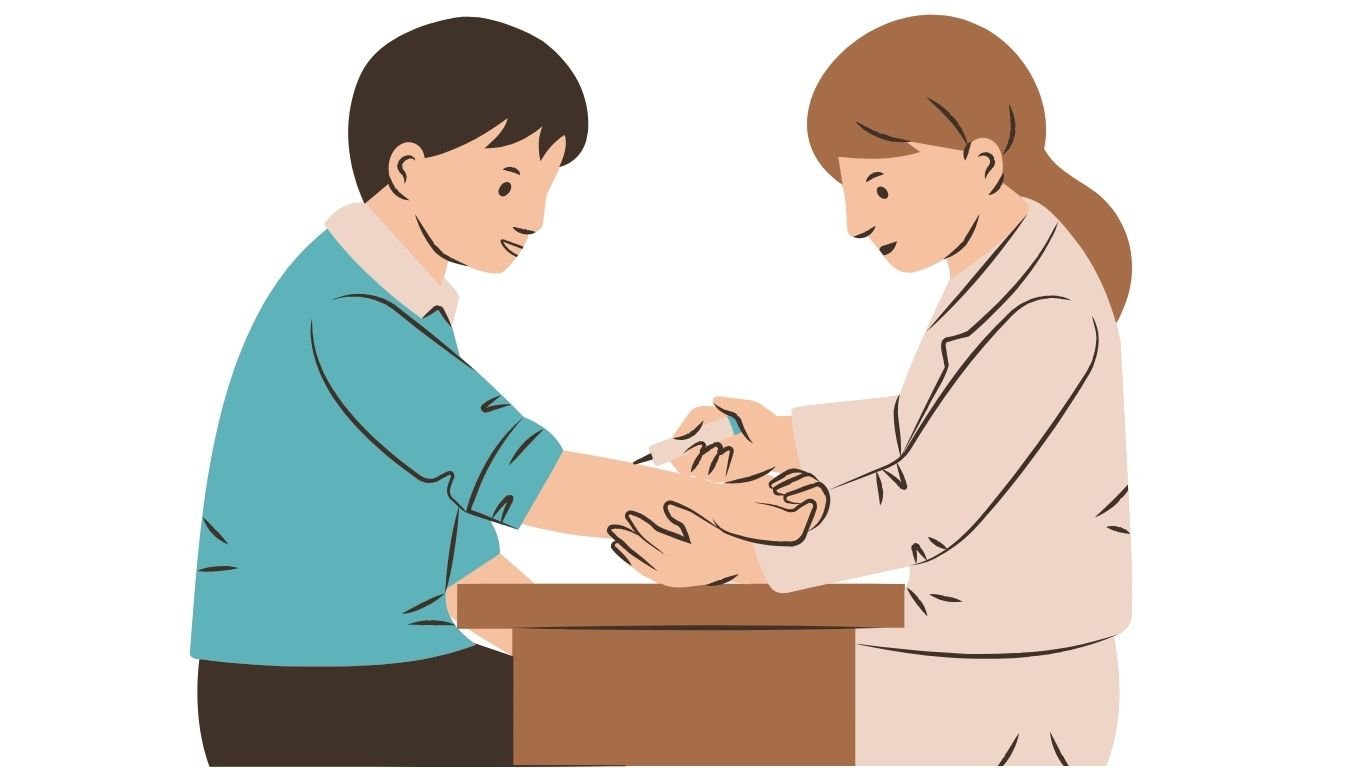
Blood sugar tests are simple but extremely important. They help detect diabetes early before serious complications develop.
Regular testing helps:
- Identify prediabetes early
- Prevent long-term complications
- Monitor diabetes treatment
- Encourage healthy lifestyle changes
- Protect organs from damage
Early diagnosis means better control and a healthier life.
The Three Main Blood Sugar Tests
Doctors mainly use three important tests to diagnose and monitor diabetes.
These tests are:
- Fasting Blood Sugar (FBS)
- Post-Meal Blood Sugar (PPBS)
- HbA1c Test
Let’s understand each one in detail.
1. Fasting Blood Sugar (FBS) Test 🌅
The fasting blood sugar test measures your blood sugar after fasting for 8 to 10 hours.
Usually, this test is done in the morning before breakfast.
Why Is This Test Important?
This test shows the baseline sugar level in your body without the effect of recent meals.
Normal Fasting Blood Sugar Range
FBS<100 mg/dL\text{FBS} < 100\ \text{mg/dL}
If your fasting blood sugar is below 100 mg/dL, it is considered normal.
Prediabetes Range
100≤FBS≤125 mg/dL100 \leq \text{FBS} \leq 125\ \text{mg/dL}
Values between 100 and 125 mg/dL indicate prediabetes. This is a warning stage where sugar levels are higher than normal but not high enough to be called diabetes.
Diabetes Range
FBS≥126 mg/dL\text{FBS} \geq 126\ \text{mg/dL}
If fasting sugar is 126 mg/dL or more on two separate occasions, it usually means diabetes.
2. Post-Meal Blood Sugar (PPBS) Test 🍽️
This test measures blood sugar two hours after eating a meal.
It helps doctors understand how well your body handles sugar after food intake.
Normal PPBS Range
PPBS<140 mg/dL\text{PPBS} < 140\ \text{mg/dL}
A value below 140 mg/dL is considered normal.
Prediabetes Range
140≤PPBS≤199 mg/dL140 \leq \text{PPBS} \leq 199\ \text{mg/dL}
Values between 140 and 199 mg/dL suggest prediabetes.
Diabetes Range
PPBS≥200 mg/dL\text{PPBS} \geq 200\ \text{mg/dL}
If the PPBS level is 200 mg/dL or higher on two occasions, diabetes is likely present.
3. HbA1c Test (Glycosylated Hemoglobin) 📊
The HbA1c test is one of the most important diabetes tests.
Unlike other tests that show sugar levels for a single day, HbA1c reflects the average blood sugar level over the last three months.
Why Is HbA1c Important?
It gives a long-term picture of blood sugar control and helps doctors monitor diabetes management.
Normal HbA1c Range
HbA1c<5.7%\text{HbA1c} < 5.7\%
A result below 5.7% is considered normal.
Prediabetes Range
5.7%≤HbA1c≤6.4%5.7\% \leq \text{HbA1c} \leq 6.4\%
Values between 5.7% and 6.4% indicate prediabetes.
Diabetes Range
HbA1c≥6.5%\text{HbA1c} \geq 6.5\%
An HbA1c level of 6.5% or more usually confirms diabetes.
Understanding Your Results
Many people become worried after seeing their test reports. However, understanding the results properly is very important.
If Your Results Are Normal ✅
- Continue healthy eating
- Exercise regularly
- Maintain proper body weight
- Avoid excessive sugar intake
Healthy habits help keep diabetes away.
If You Are in the Prediabetes Range ⚠️
Prediabetes is like a yellow traffic signal. It means your body is warning you to make changes before diabetes develops.
The best part is that prediabetes can often be reversed through:
- Healthy diet
- Daily exercise
- Weight control
- Better sleep
- Stress management
If You Have Diabetes ❗
If your test results fall in the diabetes range, consult a doctor immediately.
Proper treatment may include:
- Lifestyle changes
- Regular monitoring
- Medication
- Insulin therapy in some cases
Early treatment helps prevent complications.
Warning Signs of Diabetes 🚨
Many people ignore early symptoms of diabetes. If you notice any of the following signs, you should get tested immediately:
- Frequent urination
- Excessive thirst
- Constant hunger
- Unexplained weight loss
- Blurred vision
- Slow healing wounds
- Fatigue and weakness
Ignoring these symptoms can lead to serious complications later.
Why Asians and Indians Need Extra Care
Research shows that people in Asian countries, especially India and Pakistan, may develop diabetes at a younger age and lower body weight compared to Western populations.
Even individuals who do not appear overweight can still develop diabetes because of:
- Higher abdominal fat
- Genetic risk factors
- Sedentary lifestyle
- Poor eating habits
This is why regular screening is important even for younger adults.
How to Prevent Diabetes Naturally 🌿
The good news is that diabetes prevention is possible in many cases.
Here are some effective ways to reduce your risk:
Eat Healthy Foods
Focus on:
- Fresh vegetables
- Fruits
- Whole grains
- Lean proteins
- Healthy fats
Avoid excessive sugar and processed foods.
Exercise Regularly
Aim for at least 30 minutes of physical activity daily such as:
- Walking
- Cycling
- Jogging
- Yoga
Exercise improves insulin sensitivity and controls weight.
Maintain Healthy Weight
Losing even a small amount of excess weight can significantly lower diabetes risk.
Stay Hydrated
Drink enough water and avoid sugary beverages.
Sleep Properly
Poor sleep can affect hormones and blood sugar control.
Reduce Stress
Stress management through meditation, exercise, and relaxation can improve overall health.
Can Prediabetes Be Reversed? 🌟
Yes, prediabetes is often reversible.
Many people successfully bring their sugar levels back to normal through healthy lifestyle changes.
Studies show that early intervention can prevent or delay type 2 diabetes for many years.
Small daily habits can create huge long-term benefits.
.png)
Discussions (0)